
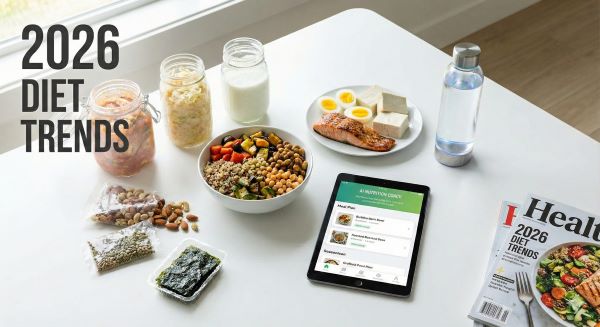
What to Eat in 2026: Latest Science-Backed Diet Trends
As we move into 2026, nutrition research continues to evolve rapidly, reshaping how we eat for better health, longevity, and sustainable living. From AI-personalized diets to microbiome-boosting foods, this year’s trends are strongly backed by scientific evidence and real consumer demand. This guide explores the top science-backed diet trends of 2026, along with expert insights on what to eat for optimal wellness.
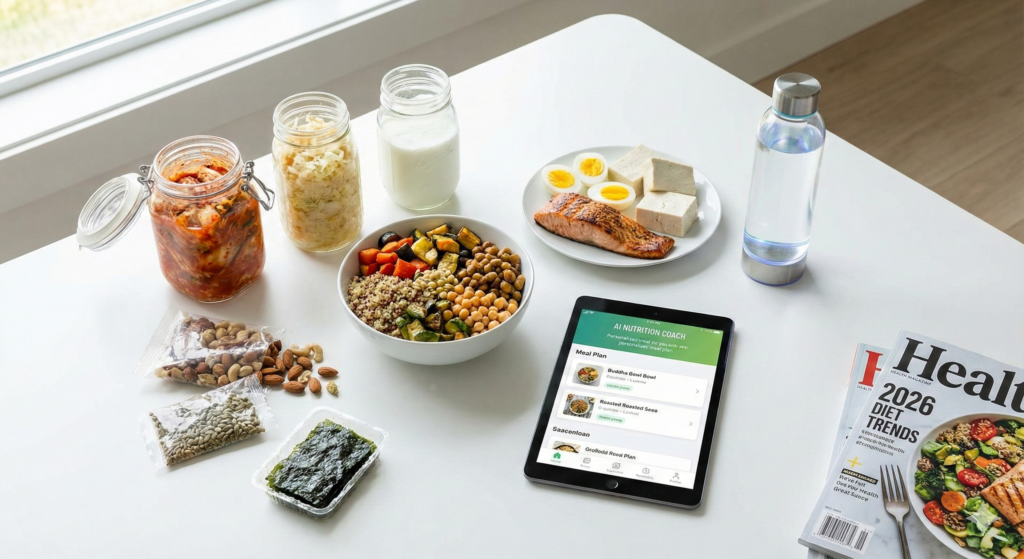
Top Science-Backed Diet Trends in 2026
Trending keywords: 2026 diet trends, science-backed nutrition, healthy eating 2026
1. The Rise of AI-Personalized Nutrition Plans
Keywords: AI nutrition, personalized diets, DNA-based meal plans
Thanks to rapid advancements in health tech, AI-driven nutrition apps are offering meal plans based on DNA data, metabolic markers, and real-time glucose tracking. In 2026, personalized nutrition is no longer a luxury—it’s becoming mainstream. Studies show diets tailored to individual biomarkers improve nutrient absorption, metabolic health, and long-term weight management.
What to eat:
-
Personalized macros (carbs/protein/fat)
-
AI-recommended superfoods
-
Real-time glucose-friendly snacks like nuts or low-GI fruits
2. Microbiome-Focused Eating for Gut Health
Keywords: gut health foods, microbiome diet 2026, probiotic foods
Gut health remains a leading trend, with new research confirming that microbiome diversity directly impacts energy, immunity, and mental health. Experts recommend diets rich in fermented foods, fiber, and polyphenols to support gut flora.
Best microbiome foods:
-
Kefir, yogurt, kimchi
-
High-fiber vegetables (artichokes, asparagus, leafy greens)
-
Polyphenol-rich foods (berries, green tea, cacao)
3. Plant-Forward Flexitarian Eating
Keywords: plant-based diets 2026, flexitarian lifestyle, sustainable eating
Instead of strict veganism, 2026 sees a rise in flexitarian diets—plant-focused eating with occasional high-quality animal products. This approach is backed by research showing improvements in cardiovascular health, inflammation, and weight stability.
Eat more of:
-
Whole grains (quinoa, farro, millet)
-
Legumes and seeds
-
Pasture-raised eggs and fish (moderation)
4. Protein-Rich Regimens with “Clean Protein” Sources
Keywords: high-protein diet 2026, clean protein foods, muscle health
With growing awareness about muscle maintenance and metabolic health, 2026 emphasizes clean proteins—minimally processed and nutrient-dense sources.
Top clean proteins:
-
Grass-fed meats
-
Tofu and tempeh
-
Low-mercury fish (salmon, sardines)
-
Plant protein blends with no additives
5. Low-Inflammation Anti-Aging Diets
Keywords: anti-inflammatory foods, longevity diet, anti-aging nutrition
Inflammation is now a major focus in longevity research. Anti-inflammatory eating patterns help reduce disease risk and improve energy levels.
Recommended foods:
-
Turmeric & ginger
-
Olive oil and avocados
-
Blueberries, pomegranates
-
Omega-3 rich salmon and walnuts
6. Smart Snacking & Blood Sugar Balance
Keywords: glucose-friendly snacks, sugar control diet, metabolic health 2026
Stable blood sugar is crucial for weight control and mental clarity. In 2026, glucose-friendly snacks are trending across wellness communities.
Top options:
-
Greek yogurt with chia
-
Almonds and mixed nuts
-
Low-sugar protein bars
-
Apples with nut butter
7. Sustainable & Regenerative Foods
Keywords: climate-friendly foods, regenerative agriculture diet
Consumers are prioritizing eco-friendly eating habits. Foods sourced from regenerative farms—which restore soil health—are rising in popularity.
Sustainable choices:
-
Regeneratively grown vegetables
-
Local seasonal fruits
-
Plant proteins like lentils and chickpeas
What a Balanced 2026 Day of Eating Looks Like
Breakfast: High-fiber oatmeal with berries & chia
Lunch: Flexitarian bowl with quinoa, leafy greens & lean protein
Snack: Greek yogurt with nuts
Dinner: Omega-3 rich fish with roasted vegetables
Drink: Green tea, herbal infusions, mineral water
FAQs: Trending Nutrition Questions for 2026
1. What is the healthiest diet in 2026?
The healthiest diets in 2026 are personalized, plant-forward, and microbiome-supportive, promoting long-term metabolic and gut health.
2. Are AI-based diets safe and effective?
Yes—when paired with professional guidance. AI enhances accuracy in choosing foods based on glucose, microbiome, and DNA data.
3. Is plant-based eating still trending in 2026?
Absolutely. Flexitarian and plant-forward diets remain among the top science-supported nutritional patterns.
4. What foods should I avoid in 2026?
Avoid ultra-processed foods, high-sugar beverages, trans fats, and overly refined carbs—these contribute to inflammation and poor metabolism.
5. What is the best protein source this year?
Clean proteins such as wild-caught fish, tofu, eggs, and plant-based blends rank highest for nutrient quality.
Conclusion
Eating well in 2026 doesn’t require extreme restrictions. Science suggests focusing on personalization, gut health, plant-forward meals, clean proteins, and anti-inflammatory foods to boost longevity and overall wellness. By following these trends, you can build a sustainable eating pattern that supports your body and mind year-round.
Check Our Latest Uploads
How to Lose Weight Using AI Meal Planning Tools
Holistic Wellness 2025: Nutrition, Sleep & Mindfulness Tips That Actually Work