
🩺 What Is an HMO? (Health Maintenance Organization)
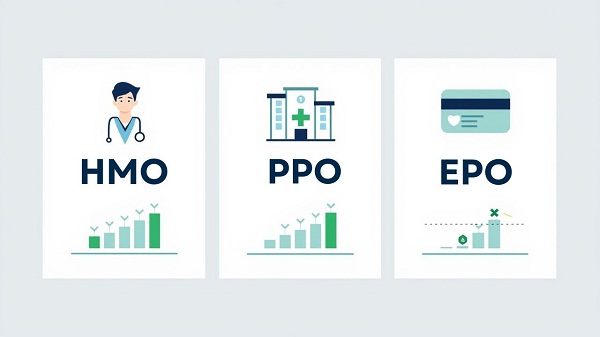
When it comes to choosing the right health insurance plan, understanding the differences between HMO vs PPO vs EPO can be crucial to making the best decision for your health and financial situation. Each of these plans offers unique benefits, with varying levels of flexibility, cost, and provider access. Whether you’re looking for affordable coverage, freedom to see specialists without referrals, or the ability to choose out-of-network providers, knowing how these plans compare will help you navigate the complex world of health insurance and select the option that best suits your needs.
An HMO is a type of health insurance plan that limits coverage to doctors within its network. You must choose a Primary Care Physician (PCP) who coordinates your healthcare.
Key Features
-
Requires a primary care doctor
-
Referrals required to see specialists
-
No coverage for out-of-network care (except emergencies)
-
Usually has lower premiums and lower out-of-pocket costs
Best For
People who want affordable insurance and don’t mind staying within a network.
🩺 What Is a PPO? (Preferred Provider Organization)
A PPO plan offers the most flexibility. You can see any doctor—inside or outside the network—without a referral.
Key Features
-
No referrals needed for specialists
-
Out-of-network providers allowed (but cost more)
-
Higher premiums and deductibles
-
More freedom to choose doctors in different areas
Best For
People who want maximum flexibility and travel frequently or see multiple specialists.
🩺 What Is an EPO? (Exclusive Provider Organization)
An EPO is a combination of HMO and PPO benefits. It offers lower costs like an HMO but allows specialist visits without referrals, like a PPO.
Key Features
-
No referral needed for specialists
-
No out-of-network coverage (except emergencies)
-
Lower premiums than PPOs, slightly higher than HMOs
-
Good network variety but still limited
Best For
People who want referral-free specialist care but don’t need out-of-network access.
🔍 Comparison Table: HMO vs PPO vs EPO
| Feature | HMO | PPO | EPO |
|---|---|---|---|
| Requires Primary Doctor? | ✔ Yes | ✘ No | ✘ No |
| Specialist Referral Needed? | ✔ Yes | ✘ No | ✘ No |
| Out-of-Network Coverage? | ✘ No | ✔ Yes | ✘ No |
| Cost (Premiums/Deductibles) | Low | High | Medium |
| Flexibility | Low | High | Medium |
🧠 Which Health Insurance Plan Should You Choose?
Choosing the right plan depends on your budget, health conditions, and preferred flexibility.
✔ Choose HMO if:
-
You want the lowest-cost health insurance
-
You don’t mind working with a primary doctor
-
You rarely need specialist care
✔ Choose PPO if:
-
You want the highest flexibility
-
You travel often or live in multiple locations
-
You see specialists frequently
-
You don’t mind paying higher premiums
✔ Choose EPO if:
-
You want no-referral specialist access
-
You want a middle-cost option between HMO and PPO
-
You are comfortable staying within a strong network
❓ Frequently Asked Questions (FAQs)
1. Is a PPO better than an HMO?
A PPO offers more freedom to choose doctors and specialists without referrals, but it costs more. HMO is cheaper but more restrictive.
2. Do EPO plans require referrals?
No. EPO plans allow specialist visits without needing a referral.
3. Which plan is the cheapest?
HMOs usually have the lowest premiums and copays.
4. Can I see out-of-network doctors with an EPO?
No—EPOs generally don’t cover out-of-network visits unless it’s an emergency.
5. Which plan is best for families?
HMOs are often preferred by families for affordability, while PPOs work best for families needing specialist flexibility.
6. Are medications covered differently in these plans?
Coverage varies by plan, but typically all have formulary tiers with different costs. PPOs often offer the most flexible drug coverage.
⭐ Final Recommendation
-
If you want affordable care and don’t mind a restricted network → choose HMO
-
If you want maximum freedom with doctors and specialists → choose PPO
-
If you want flexibility without high costs → choose EPO
Each plan has unique advantages—your choice should match your healthcare usage, budget, and lifestyle.
Check Our Latest Uploads
Holistic Wellness 2025: Nutrition, Sleep & Mindfulness Tips That Actually Work
Top Budget Smartphones 2026: Flagship Features Without the Flagship Price